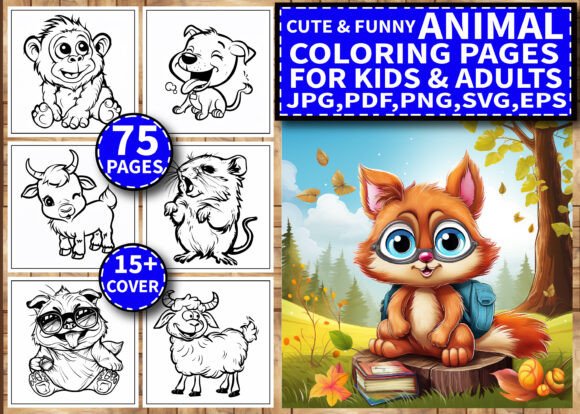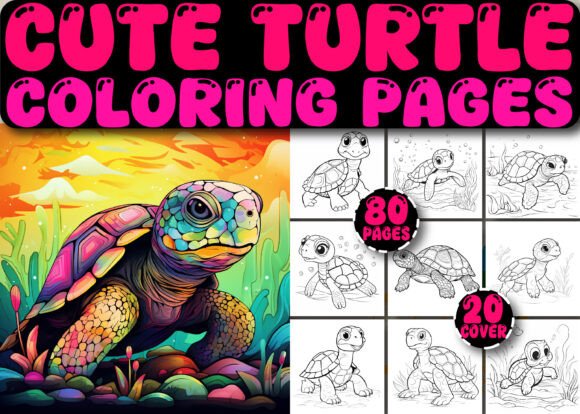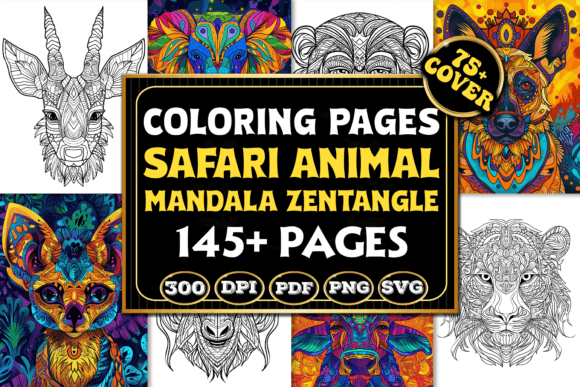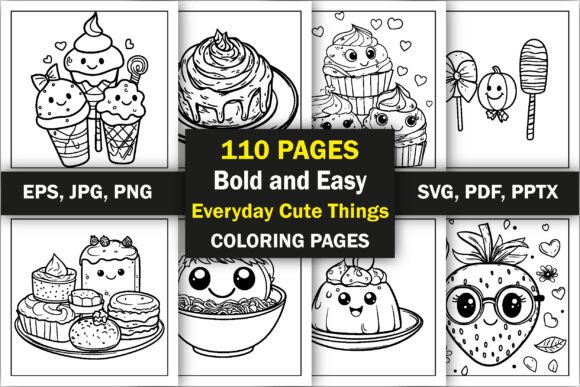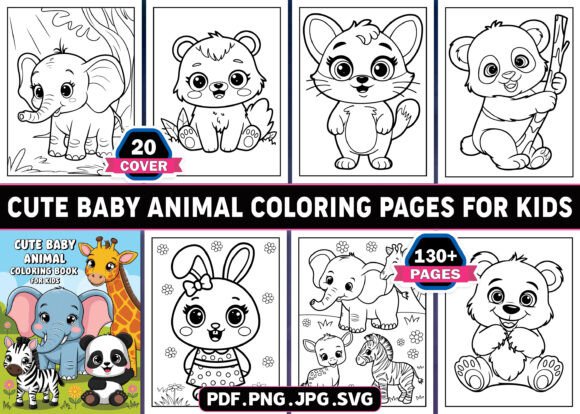
Cute Baby Animal Coloring Pages for Kids
First Impressions: Sweet, Simple, and Stitch-Ready
Opening the Cute Baby Animal Coloring Pages for Kids zip file felt like flipping through a quiet sketchbook—soft outlines, gentle curves, and intentional negative space. These aren’t hyper-detailed illustrations; they’re friendly, open-line drawings of bunnies, ducklings, kittens, and sleepy bear cubs—designed for coloring, yes, but also quietly built for translation into embroidery. As a designer who’s stitched hundreds of kids’ designs onto onesies, tea towels, and boutique totes, I immediately noticed what’s *not* there: no tiny eyes that vanish under satin stitch, no overlapping limbs that create dense fill-stitch collisions, no fragile antlers or whiskers thinner than a single thread. That absence is intentional—and valuable.
Where This Design Shines in Real Embroidery Projects
I tested one bunny design on a lightweight cotton twill tote bag—intended for a local nursery’s gift set—and it landed beautifully. The clean outer contour held crispness even at 3.5" wide, and the inner line work (like ear folds and paw pads) translated into subtle running-stitch accents—not fussy, but expressive. It worked just as well scaled down to 2.25" on a baby cap, where clarity matters more than complexity. For sweatshirt embroidery? Yes—but only with light stabilizer and reduced density on the fill areas. On tea towels or pillow covers, the design breathes. Its simplicity invites customization: add a name in a soft script below, or pair it with a single stem-stitched flower in the corner. As an Etsy seller, I’d list this as a “ready-to-embroider motif” alongside matching applique suggestions—not just as a coloring page.
What Customers Actually Respond To
Parents don’t buy embroidery for technical perfection—they buy it for warmth, recognition, and handmade charm. When I stitched the duckling onto a muslin swaddle, several testers said, “It looks like something my kid drew.” That’s gold. It feels personal, not mass-produced. That emotional resonance lifts perceived value—especially for personalized gifts, holiday embroidery, or boutique branding. A customer ordering a custom embroidered apron for her daughter’s first baking class didn’t care about stitch count; she cared that the kitten looked sweet, legible at arm’s length, and stitched cleanly on textured fabric. Cute Baby Animal Coloring Pages for Kids delivers that reliably.
Where to Proceed With Care
This isn’t a one-size-fits-all embroidery file. Its strength is accessibility—but that means trade-offs. On dark fabric, fine interior lines can disappear unless you adjust thread color contrast deliberately (e.g., ecru outline + charcoal fill). On stretchy knits or thin baby jersey, skip dense fill stitches entirely—opt for outline + satin border only, backed with cutaway stabilizer. Curved surfaces like caps demand simplified versions: I trimmed two interior lines from the bunny’s face before hooping. And avoid using the smallest motifs (under 1.75") on textured terry cloth or heavily brushed fleece—the detail blurs. Also, double-check corners and ears in your embroidery software: some line ends taper too sharply and may need slight rounding for smooth satin-stitch transitions.
Design Assets That Support Your Craft Business
As a digital product seller and embroidery designer, I appreciate that Cute Baby Animal Coloring Pages for Kids functions as flexible design assets—not just static pages. You can isolate elements (a single paw, a curled tail) for use as standalone decorative accents on patches or labels. Layer them in printable mockups to show clients how a stitched bunny reads on a linen pillow cover versus a denim jacket. Because the lines are high-resolution and vector-friendly (confirmed by opening a sample in Illustrator), they scale cleanly for both small hoop sizes and large nursery wall hangings. Just remember: if you’re selling finished embroidered products commercially—or bundling these as part of a digital embroidery kit—verify licensing terms before distribution. The product description mentions KDP interior use, but commercial embroidery rights aren’t stated outright.
Practical Designer Notes Before You Stitch
- Always test on scrap fabric first—especially when pairing with stabilizer types you haven’t used together recently.
- Review stitch density in your editing software. Reduce fill stitch % by 15–20% for baby items or lightweight apparel.
- Confirm hoop size compatibility. Some motifs fit comfortably in a 4×4 hoop; others need 5×7 for breathing room around interior details.
- Inspect small details at actual stitch size—zoom in on your machine screen or print a 1:1 preview.
- Test black-and-white mockups to assess contrast before committing to thread colors.
- Compare light and dark fabric backgrounds side-by-side—even subtle gray tones shift visual weight.
- Use proper stabilizer: tear-away for stable wovens, cutaway for knits, and lightweight fusible for delicate linens.
- Check dual-use viability: does this work equally well for personal keepsakes *and* scalable small shop product lines?
Final Thought: A Quietly Versatile Workhorse
Cute Baby Animal Coloring Pages for Kids won’t wow with flash—but it earns trust through consistency, clarity, and quiet adaptability. It fits naturally into custom apparel, baby embroidery, holiday embroidery, and craft business workflows without demanding excessive digitizing labor or compromising on handmade presentation. For Etsy sellers building seasonal collections, for makers stitching personalized gifts, and for designers curating reliable embroidery project kits—it’s a grounded, thoughtful addition. Not every design needs to shout. Sometimes, the softest lines make the strongest impression.