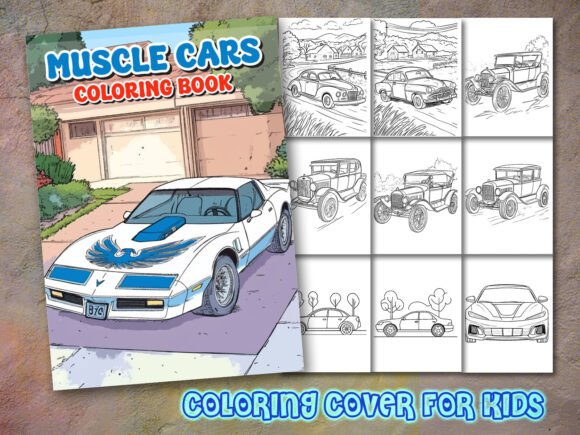
Coloring Pages and Book Cover
A Designer’s First Look: Bold, Playful, and Ready for Stitching
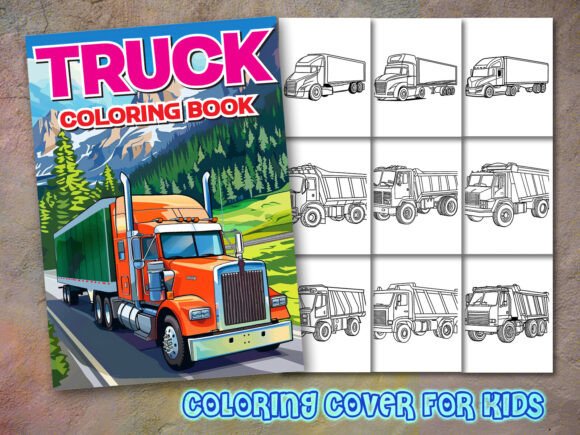
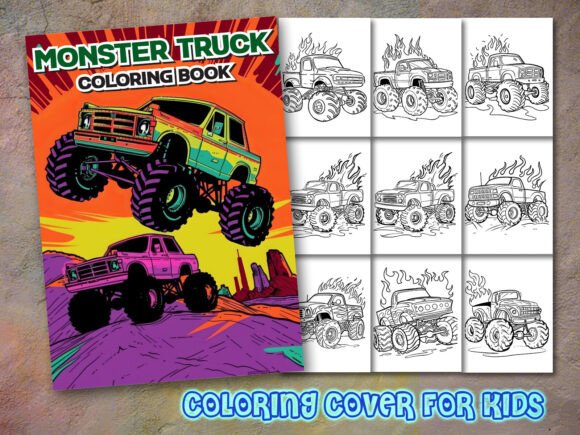
When I opened Coloring Pages and Book Cover, my eye went straight to the Monster Truck theme—chunky tires, exaggerated grille, and a confident, cartoonish stance. It’s not delicate line art; it’s energetic, high-contrast, and built for visibility. As an embroidery designer who’s stitched everything from baby onesies to boutique aprons, I immediately pictured this on a sturdy cotton tote or a relaxed-fit unisex sweatshirt. The mood is fun but grounded—not too cutesy, not overly aggressive. That balance matters when you’re building trust with customers who want handmade charm without looking like a kindergarten worksheet.
Real Project Test: Embroidering a Custom Monster Truck Tote Bag
Last week, I prepped a small-batch run of embroidered canvas totes for a local toy shop’s summer promotion. I chose Coloring Pages and Book Cover as the centerpiece because its clean outlines and open interior spaces translate beautifully into fill stitch and satin stitch zones. On 12-oz natural canvas with medium-cutaway stabilizer, the design held crisp edges—even around the truck’s wheel wells and exhaust pipes. No thread nesting. No puckering. That tells me the original line weight was drawn with real fabric behavior in mind, not just screen display.
What stood out most? The spacing between elements. Unlike some coloring-page-style graphics that crowd details into tiny corners, this set breathes. There’s room to separate the cab from the trailer, enough margin around lettering (where present), and generous negative space inside shapes—critical for smooth fill stitch transitions and avoiding over-stuffing on lighter fabrics.
Where It Shines—and Where to Pause
Coloring Pages and Book Cover works especially well for:
- Custom apparel: Sweatshirts, crewnecks, and structured caps (with proper under-hooping)
- Home & kitchen goods: Tea towels, pillow covers, and oven mitts—its boldness reads clearly at arm’s length
- Baby and toddler items: Burp cloths, bibs, and soft blankets (when simplified to key outlines only)
- Embroidered patches: Clean lines mean sharp borders after heat-seal or sew-on application
- Holiday and gift embroidery: Great for back-to-school, birthday gifts, or “big kid” milestone items
But here’s where I slow down:
- Thin or stretchy fabrics: Lightweight knits or rayon blends need extra stabilizer—and possibly lightening the fill density manually. Those wide tire treads can pull if unstabilized.
- Dark fabric backgrounds: Since the source files are PNGs at 300 dpi, they’ll hold detail, but always test thread color contrast first. A bright lime green satin stitch pops on navy; pale yellow won’t.
- Curved surfaces like baseball caps: The truck’s horizontal orientation suits front panels well—but avoid placing fine interior lines (like window frames) right over the crown seam unless you’ve tested hoop clearance.
- Frequent-wash items: While the design itself isn’t fragile, dense fill areas benefit from quality polyester thread and tight digitizing. If you’re sourcing or adapting this as a machine embroidery design, verify stitch density before scaling up.
Design Integrity Meets Commercial Reality
As an Etsy seller and craft business owner, I pay close attention to how a design affects perceived value. Coloring Pages and Book Cover feels intentional—not generic clipart. Customers notice that. When someone sees clean, consistent line weight and balanced proportions on a personalized gift, they don’t think “downloaded graphic.” They think “made for me.” That impression lifts price points, encourages repeat orders, and strengthens brand consistency across your handmade product line.
It also performs well in digital contexts: printable mockups, social media previews, and KDP interior layouts all benefit from those crisp 300 dpi PNGs. But remember—PNGs aren’t embroidery files. If you plan to digitize Coloring Pages and Book Cover yourself or hire a digitizer, allow time to refine corners, simplify overlapping lines, and adjust pull compensation for your target fabric. What looks perfect on screen may need subtle tweaks to stitch flawlessly.
Practical Notes Every Embroidery Designer Should Keep Handy
Before cutting thread or loading a hoop:
- Always test on scrap fabric—same type, same color, same stabilizer combo you’ll use for the final piece.
- Review thread color contrast in both natural and artificial light. A “monster truck red” that reads vibrant on screen may dull on oatmeal linen.
- Check small details at actual stitch size: tiny headlights or grille bars should remain legible—not lost in satin stitch bleed.
- Use black-and-white mockups to assess value contrast, especially for dark garments or layered applique designs.
- Confirm licensing terms before selling finished embroidered items or bundling Coloring Pages and Book Cover into digital product kits. Not all coloring-page graphics permit commercial embroidery use.
- Match stabilizer to fabric texture: Cutaway for stable wovens, tear-away for lightweight cottons, and fusible + cutaway for knits.
Final Thought: A Versatile Anchor for Your Creative Workflow
Coloring Pages and Book Cover isn’t just another graphic—it’s a flexible design asset with personality and purpose. It bridges the gap between playful illustration and functional embroidery project. Whether you’re stitching a one-off personalized gift or producing a small batch for your craft fair booth, it delivers clarity, charm, and quiet professionalism. Just treat it like any strong design: test it, respect its limits, and let its energy speak through thoughtful execution—not hype.