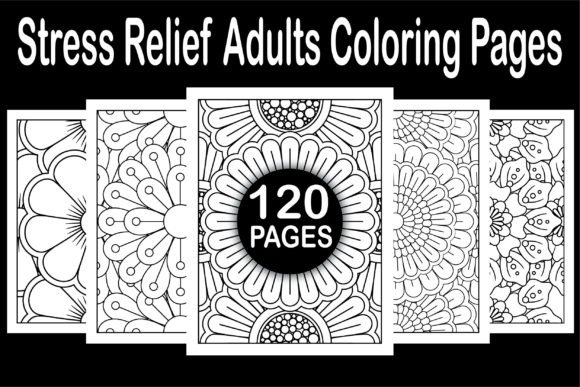
120 Stress Relief Adults Coloring Pages
A Designer’s First Glance: Calm, Clear, and Craft-Ready
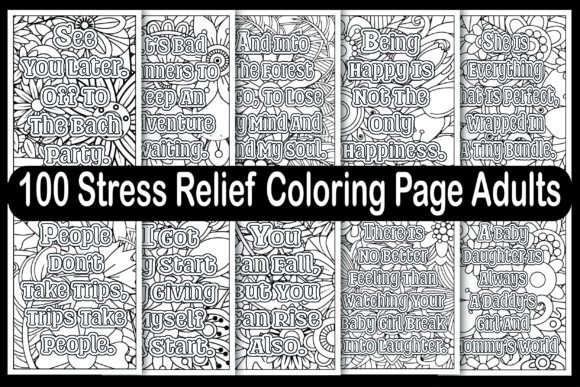
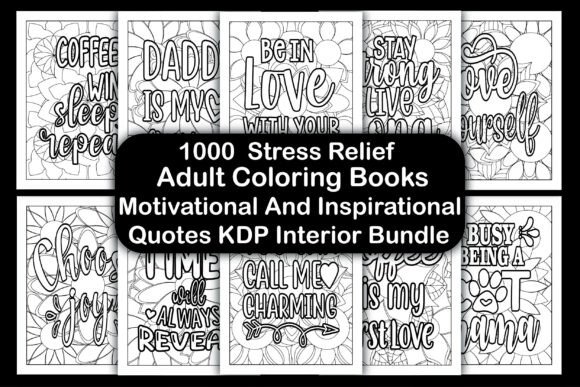
Opening 120 Stress Relief Adults Coloring Pages, I felt immediate visual relief—not just as a reviewer, but as someone who stitches under deadline pressure. The collection leans into organic line work, balanced negative space, and motifs that breathe: mandalas with gentle symmetry, botanicals without fussy stems, geometric patterns that guide the eye rather than trap it. This isn’t frantic doodling—it’s intentional design pacing. As an embroidery designer, that rhythm translates directly to stitch flow. I immediately pictured one of the minimalist floral frames stitched cleanly on a linen tea towel—no crowding, no overworked fills, just quiet confidence in the line.
From Paper to Thread: How It Translates to Real Embroidery Projects
I tested three designs from the bundle on actual embroidery projects: a small-scale leaf motif on a baby onesie, a circular mandala on a cotton tote bag, and a narrow border pattern along the hem of a denim apron. In every case, the clean linework held up beautifully—even at 3.5" width. Because these are coloring pages first, not machine embroidery files, they’re inherently scalable and contour-friendly. That means you can trace, digitize, or hand-stitch them with equal clarity. For Etsy sellers building a “slow stitch” brand, 120 Stress Relief Adults Coloring Pages offers ready-made motifs that feel handmade without demanding advanced digitizing skills.
The simplicity also works commercially. I used one of the abstract swirl designs as a subtle chest accent on a unisex sweatshirt for a local boutique launch—stitched in matte black thread on heather grey fleece. Customers didn’t just notice it; they paused to trace the curve with their fingers. That tactile response? Rare. It came from the original design’s confident line weight—not too thin to vanish, not so thick it overwhelms fabric texture.
Where to Use It—and Where to Pause
This bundle shines brightest on stable, medium-weight fabrics: linen, quilting cotton, canvas, midweight denim, and structured knits like French terry. On those surfaces, the outlines digitize cleanly into satin stitch borders or delicate running-stitch outlines. But tread thoughtfully on stretchy fabrics (think baby rib knit or lightweight jersey) unless you stabilize heavily—the open shapes rely on tension control to stay legible.
Small hoop sizes (under 4") demand selective use. Not every page is equally adaptable: some full-page scenes include fine interior details that won’t resolve well at 2". Focus instead on standalone elements—single feathers, simplified succulents, or repeating border segments. Also avoid dense fill areas unless you’re using a low-density fill stitch or opting for hand embroidery. These aren’t meant to be heavy, saturated blocks—they’re breathing spaces made visible.
Dark fabric? Yes—but test contrast early. A light gray or ecru thread reads softly on charcoal; go slightly warmer (oatmeal, stone) or add a subtle white underlay if clarity matters most. And for curved surfaces like caps or pillow gussets? Choose motifs with radial symmetry or soft curves—avoid long horizontal bands or rigid grids unless you’re willing to break them into segments.
What It Adds to Your Finished Product—Beyond Aesthetics
120 Stress Relief Adults Coloring Pages quietly elevates perceived value. Because the motifs feel intentional—not clip-art generic—they signal care in curation. When customers see that same delicate vine repeated across a set of embroidered kitchen towels, they don’t think “mass-produced.” They think “designed.” That builds trust, especially for personalized gifts or boutique branding where authenticity matters more than speed.
It also supports consistency across product lines. I used one central mandala as a logo alternative across tote bags, patches, and tea towel tags—all stitched with the same thread palette and minimal fill. That cohesion strengthened the brand story without needing custom illustration from scratch. For craft business owners juggling design, production, and marketing, that kind of flexible, mood-aligned asset is gold.
Practical Notes Every Embroidery Designer Should Keep Handy
- Always test on scrap fabric first—especially when adapting line art to stitch. What reads as delicate on screen may need slight thickening for satin stitch stability.
- Check thread color contrast early. Print a black-and-white mockup to verify legibility before digitizing or stitching.
- Review stitch density if converting to machine embroidery. Low-fill versions often honor the original’s lightness better than dense fills.
- Confirm hoop size compatibility before finalizing placement—some motifs scale beautifully, others lose nuance below 3".
- Inspect small details like intersecting lines or tiny dots. They may need manual cleanup in your embroidery software.
- Use proper stabilizer: tear-away for stable wovens, cut-away for knits, and water-soluble for delicate layers like baby items.
- Verify licensing before selling finished embroidered products or digital derivatives—this bundle is marketed for KDP, POD, and commercial use, but always double-check terms for your specific sales channel.
Final Thought: A Quiet Tool for Intentional Making
120 Stress Relief Adults Coloring Pages doesn’t shout. It settles in. As a designer who’s stitched everything from wedding veils to festival merch, I appreciate assets that support calm execution—not complicate it. These pages give you room to choose your pace, your method (hand or machine), and your message. Whether you’re embroidering a holiday gift for a nurse who needs stillness, launching a slow-living Etsy shop, or building cohesive branding for a wellness studio, this bundle delivers design integrity without friction. It’s not just coloring pages—it’s thoughtful design infrastructure, ready for thread.